Brixton Market shopfront gardeners for cafes and businesses
Posted on 19/11/2026
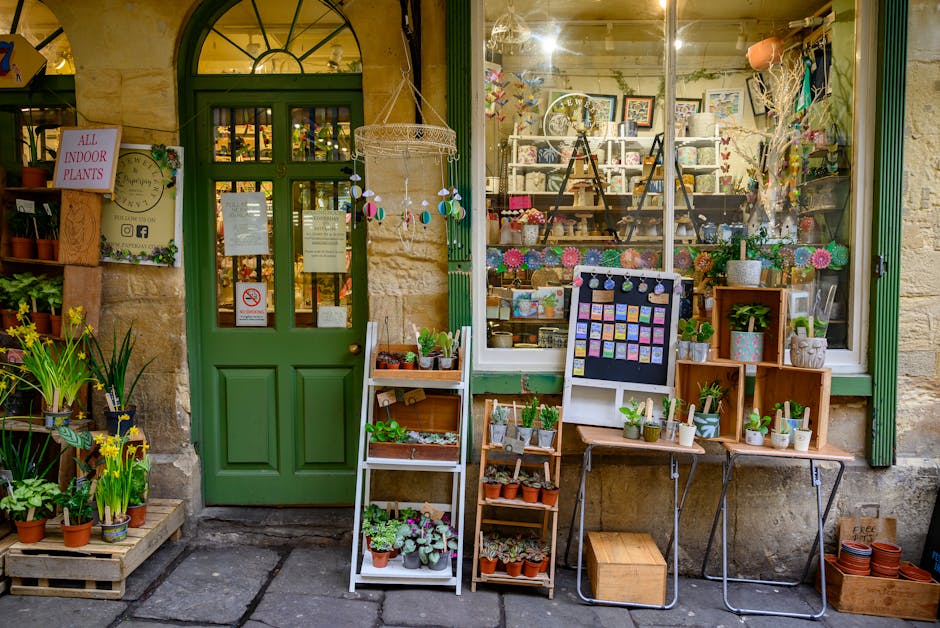
Frontage planting is one of those details people feel before they fully notice it. A tidy, well-planned shopfront can make a cafe feel welcoming at 8 a.m., help a small business stand out in a crowded street, and soften the hard edges of railings, brickwork, shutters, or pavement seating. That is exactly why Brixton Market shopfront gardeners for cafes and businesses matter: they turn ordinary entrances into places people want to step toward, pause at, and remember.
In a busy part of London, every square foot has to work hard. Sun, shade, wind, foot traffic, delivery vehicles, bins, overspill tables, and the occasional "where do I put this planter?" moment all shape what is realistic. This guide walks through how shopfront gardening works, what makes it effective, and how cafes and businesses can use planting, containers, climbers, and maintenance routines to look polished without creating extra hassle. Truth be told, the best frontage planting is rarely flashy. It is consistent, resilient, and just a little bit clever.
Why Brixton Market shopfront gardeners for cafes and businesses Matters
A shopfront is not just decoration. For cafes and businesses around Brixton Market, it is part of the customer journey. People decide in seconds whether a place feels open, cared for, distinctive, and worth stopping for. A few healthy planters, a narrow herb bed, or a vertical green feature can subtly shift that decision in your favour.
This matters even more where the street environment is visually busy. Brixton has strong character, plenty of movement, and a mix of old and new frontage styles. That can be brilliant for personality, but it also means a neglected entrance looks neglected very quickly. One dead planter, a muddy tray, or a trailing weed can undo a lot of good work. A decent frontage scheme, maintained properly, does the opposite. It says: someone pays attention here.
There is also a practical side. Planting can frame entrances, guide footfall, create a sense of privacy for pavement tables, and reduce the harshness of reflective glass or blank walls. For some businesses, it even supports brand identity. A cafe with soft green planting feels different from a bar with architectural grasses and dark containers. Same street, different mood. That subtle signal can be powerful.
If you want to think more broadly about exterior upkeep, the wider principles behind ongoing garden maintenance and professional gardening services are worth understanding because shopfronts tend to succeed when they are treated as living systems, not one-off styling jobs.
Expert summary: The most effective shopfront gardening for cafes and businesses in Brixton Market is not about packing in the most plants. It is about choosing resilient planting, keeping access clear, and building a frontage that still looks good on a wet Wednesday morning in March. That is the real test.
How Brixton Market shopfront gardeners for cafes and businesses Works
Shopfront gardening is a mix of design, installation, and maintenance. It usually starts with a simple question: what do you want the frontage to do? Draw people in? Soften hard boundaries? Create a small privacy screen? Support outdoor seating? Hide bins or service areas without making the frontage feel shut off? The answer shapes everything else.
Once the goal is clear, a gardener or landscaper will look at site conditions. That includes light levels, airflow, available width, drainage, existing paving, wall space, and whether the frontage is exposed to vandalism, knock-through, or heavy pedestrian traffic. Honestly, this stage saves a lot of money later. A plant that looks gorgeous in a sheltered courtyard can sulk on an exposed market edge.
From there, the work may include:
- container selection and placement
- plant choice for sun, shade, and wind exposure
- soil improvement and drainage planning
- support structures for climbers or tall planting
- routine pruning, deadheading, feeding, and replacement
- surface cleaning around displays and access routes
- seasonal refreshes for colour, texture, or scent
For compact urban settings, inspiration often comes from container-led design. If your frontage is tight, the principles in container gardening for urban environments are especially useful, because they focus on flexibility, mobility, and getting a lot from a small footprint. That is handy for a cafe terrace where every inch matters.
Some businesses also use vertical planting to make the most of walls, screens, or narrow boundaries. A vertical approach can be especially helpful where floor space is limited or where you want visual impact without blocking walkways. On the other hand, if you are trying to create a more grounded, relaxed feel, lower containers, layered planting, and restrained evergreen structure may be better.
There is no universal formula. A good shopfront gardener will read the site, the business type, and the pace of daily use before recommending anything. A cafe entrance with breakfast trade has different needs from a boutique, a deli, or a late-opening venue. Fairly obvious, perhaps, but it is surprising how often this gets missed.
Key Benefits and Practical Advantages
The benefits of professionally managed shopfront planting are not just visual, though that is the bit people notice first. The real value appears across customer experience, operational ease, and brand presentation.
1. Better first impressions
Planting softens the transition from street to doorway. Customers feel welcomed rather than rushed past a blank frontage. For cafes, that can translate into a calmer, more inviting atmosphere before anyone has even ordered a coffee.
2. Stronger brand identity
Carefully chosen plants and containers help reinforce personality. Think fragrant herbs for a food-led business, elegant evergreen structure for a refined look, or colourful seasonal planting where energy and warmth are part of the brand. It does not need to shout. It just needs to feel coherent.
3. Better use of awkward spaces
Many shopfronts have odd corners, shallow thresholds, or service features that are hard to ignore. Thoughtful planting can disguise those weak spots while still keeping the frontage functional and accessible.
4. More comfortable outdoor areas
For cafes with pavement tables or a small frontage seating zone, greenery can make the area feel more sheltered and pleasant. If seating is part of the offer, the wider design ideas in tailored seating area design can help you think about comfort, flow, and mood together rather than separately.
5. Seasonal flexibility
Shopfront gardening can evolve through the year. Winter needs structure and resilience. Spring and summer often call for more colour and softness. A business that refreshes planting seasonally tends to look active and attentive.
6. Better long-term control of maintenance
When planting is designed properly, maintenance becomes more predictable. That matters for businesses because staff are busy, and nobody wants a beautiful arrangement that becomes a weekly emergency.
| Approach | Best for | Strengths | Limitations |
|---|---|---|---|
| Large statement planters | Wide frontages and bold branding | Immediate impact, simple to reposition | Can look cluttered if overused |
| Herb and edible displays | Cafes, bakeries, food businesses | Fragrant, practical, easy to explain to customers | Needs attentive watering and harvesting |
| Evergreen structure with seasonal accents | Year-round polish | Reliable in winter, tidy in low season | Needs careful plant selection to avoid monotony |
| Vertical planting or climbers | Narrow frontages, screen areas | Saves space, adds height | Needs proper supports and regular checks |
A good frontage should also help with practical things like visibility, circulation, and safety. If your business sits on a windy corner or an exposed stretch near the market, the lessons from shielding planting against harsh weather and balancing wind and garden tranquillity can be surprisingly relevant. Wind is one of those invisible problems that only becomes obvious after a planter has toppled. Which is not fun, to be fair.
Who This Is For and When It Makes Sense
This kind of frontage gardening is a fit for a lot of businesses, but it is especially useful when the outside space is part of the customer experience or when the entrance currently feels flat, tired, or too exposed.
It makes sense for:
- cafes that want a friendlier, more memorable entrance
- bakeries, delis, and food-led businesses that can use herbs or edible planting
- independent retailers that want a stronger visual identity
- wellbeing, beauty, and lifestyle businesses that need a calmer mood
- hospitality venues with small frontage seating areas
- businesses with blank walls, railings, or unsightly service zones
It is also useful when:
- the frontage is too hard and needs softening
- customers often wait outside and need a more pleasant environment
- you want better photos for social posts and listings without staging every shot
- the business is seasonal and needs easy refreshes
- the team has limited time and needs the planting to look good without constant fuss
If your frontage is more about clean lines and low fuss than flowers, you might prefer ideas from low-maintenance garden ideas. They are often a better fit for businesses that cannot spare staff time every other day. You know the type: beautiful intent, tiny maintenance window.
For businesses with larger outdoor presence, such as terraces, entry gardens, or side access areas, it can help to think beyond "pots at the door" and consider broader work such as landscaping, decking services, or patio cleaning where appropriate. Sometimes the real fix is not another planter. It is the surface underneath it.
Step-by-Step Guidance
If you are planning a shopfront refresh, here is a sensible sequence. Not glamorous. Very useful.
- Clarify the goal. Decide whether the planting is mainly for welcome, screening, brand identity, seating comfort, or visual balance. If you skip this bit, the design tends to drift.
- Measure the space properly. Check widths, doorway swing, customer flow, delivery access, and where maintenance staff can actually reach. Beautiful plans fail fast when nobody can water them without standing in the way.
- Assess the site conditions. Note sunlight, shade, wind, water access, heat reflection from glass or masonry, and how much footfall the area gets.
- Choose the planting style. Decide between containers, raised beds, climbing planting, hanging elements, or a mixed scheme.
- Select the plants. Pick varieties that suit the microclimate and the level of care you can realistically provide. For example, if you want ground-level texture around containers or a frontage edge, look at the ideas in versatile ground cover planting for inspiration on coverage and continuity.
- Install with drainage in mind. Many business failures happen because containers hold too much water or dry out too quickly. Both are annoying. Both are avoidable.
- Plan the maintenance routine. Decide who waters, who checks for pests, who trims, and who replaces tired plants. The best scheme is the one someone will actually keep up.
- Review after a few weeks. Frontages need a proper settle-in period. If something is failing, adjust early rather than waiting for the whole display to sag.
Where planting involves climbers, ivy removal, or wall-mounted greenery, careful handling is important. If an old vine or self-seeded climber is already dominating a facade, it may be better to deal with it methodically before introducing anything new. In that context, ivy removal done properly is a useful reference point for thinking through cleanup before replanting.
One small but important tip: photograph the frontage before and after each change. It sounds basic, but it helps you notice whether the design actually improves the customer view. Sometimes what feels lush from a few feet away reads as clutter from the pavement. That little reality check saves a lot of guesswork.
Expert Tips for Better Results
Here is where the small gains really come from.
Use layers, not just height. A frontage with one type of plant often looks flat. Mix structure, leaf shape, and seasonal detail. Even a restrained scheme benefits from one strong evergreen layer, one softer mid-layer, and one accent feature.
Match the container to the business. A cafe with a warm, artisanal tone may suit terracotta, timber, or matte finishes. A modern studio or boutique might need cleaner lines. The pot is part of the message. It really is.
Choose plants that can handle real life. Not every customer will avoid brushing past the display. Not every delivery will be gentle. Not every Tuesday morning will be sunny. Pick planting that can take a bit of honest wear.
Think in scent as well as colour. For cafes and food businesses, herbs such as thyme, rosemary, sage, and mint can give the frontage a fresh, subtle lift. If you enjoy the practical side of fragrance and flavour, living aromatics and herb planting offers a useful angle on how scent can become part of the welcome.
Keep the maintenance simple enough for busy weeks. If your scheme requires a level of care that no one can realistically provide in December or during holiday staffing gaps, it is too complicated. Simplicity is not a downgrade. It is a survival strategy.
Use hardy planting for the backbone, then seasonal accents. That way the frontage still looks composed in the off-season. A few changes in spring and summer can then do the creative heavy lifting.
Watch water management closely. Business frontages are often hotter and drier than people expect because of reflected heat, sheltered walls, and sheltered canopies. A watering plan is not optional. It is part of the design.
And yes, sometimes less is more. A single well-proportioned display can outperform five awkward ones. More pots does not automatically mean more style. That bit trips people up all the time.
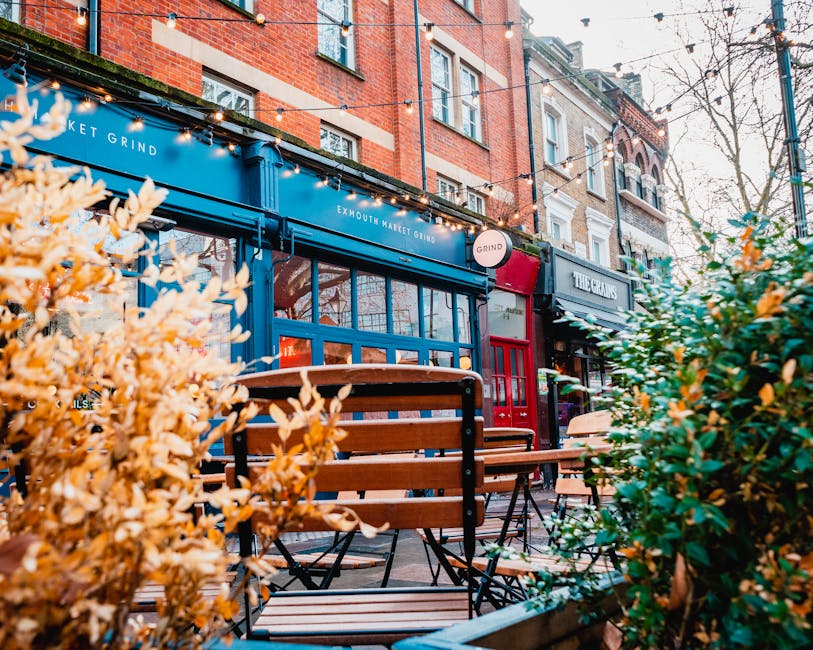
Common Mistakes to Avoid
Most frontage problems come from predictable mistakes, not bad intentions.
- Choosing plants for looks only. If they cannot cope with the actual site, they will fail. Attractive and unsuitable is still unsuitable.
- Blocking access routes. Even a lovely planter becomes a nuisance if it narrows the path or confuses wheelchair users, prams, delivery staff, or customers carrying coffee.
- Ignoring wind exposure. Lightweight containers, tall stems, and top-heavy arrangements can all fail fast in an exposed position.
- Overcomplicating the planting mix. Too many species can make maintenance messy and the frontage visually restless.
- Forgetting the off-season. A display that shines in June but looks tired by November is only half a solution.
- Using poor drainage. Root rot, waterlogging, and stained paving are avoidable problems, but only if the base setup is done properly.
- Letting ivy or climbers run wild. Climbing plants can be brilliant, but they need boundaries. Otherwise they become the boss.
If your frontage also includes screens, boundaries, or enclosure features, a wider understanding of fencing and even choosing fencing for exposed conditions can help you avoid unnecessary maintenance headaches. The point is not to create a fortress. It is to shape the space so it works with the weather, not against it.
Another common issue is treating the frontage as a separate project from the rest of the business. But customers experience the whole thing at once: pavement, doorway, window, planting, lighting, and signage. If one part feels off, the whole impression shifts.
Tools, Resources and Recommendations
You do not need a warehouse of equipment to keep a shopfront looking decent, but you do need the right basics. For most cafes and businesses, the useful toolkit is surprisingly modest.
- watering cans or a hose connection where feasible
- lightweight but stable planters with proper drainage
- quality compost and top-up soil
- secateurs for routine pruning and deadheading
- gloves, trowels, and hand forks for quick maintenance
- plant ties or discreet supports for taller growth
- mulch to retain moisture and tidy the surface
- spill-resistant trays where water runoff could damage paving
- a simple seasonal checklist for staff or contractors
For businesses that want a broader refresh, it can also make sense to look at landscaping support, especially if the shopfront includes awkward paving, old borders, or a tired approach area. If the exterior is already structurally sound but needs regular upkeep, lawn care and lawn mowing may be relevant for nearby green frontage areas rather than the immediate pavement edge.
Seasonal materials matter too. In colder months, choose displays that remain strong in damp, low light, and occasional frost. If you need ideas for hardier choices and winter preparation, creating a warm haven for plants in winter is a practical place to draw from. For customers, the difference between a crisp, healthy frontage and a drooping one can be as simple as whether someone remembered to shelter the pots on a rough night.
Law, Compliance, Standards, or Best Practice
For businesses, frontage gardening is not only about design. It also needs to respect access, safety, and operational common sense. If a planting display creates an obstruction, makes the entrance confusing, or creates a slipping hazard from water or soil spill, it becomes a problem very quickly.
In practice, the best approach is to keep pathways clear, avoid unstable or top-heavy installations, and make sure plants do not interfere with visibility, exits, or customer movement. If customers use the frontage in wet weather, avoid surfaces and watering habits that leave pooling water or muddy edges. That is basic best practice, but it matters more than people think.
Businesses should also be mindful of their own internal policies and documentation. If contractors are working on-site, it is sensible to understand their insurance, safety arrangements, and working methods. Pages such as insurance and safety, health and safety policy, terms and conditions, privacy policy, and cookie policy are part of the wider trust picture. They may not have much to do with plant choice, but they do show that a business takes its responsibilities seriously.
Accessibility is another practical consideration. Displaying plants should never make it harder for people to enter safely or comfortably. A good frontage supports inclusion; it does not make people squeeze around it. That is especially important in lively market settings where foot traffic can already be tight.
There is no need to overcomplicate the legal side here. Just keep it tidy, safe, and considerate. When in doubt, choose the simpler arrangement.
Options, Methods, or Comparison Table
Different businesses need different frontage styles. The right answer depends on the amount of space, the time available for maintenance, and the kind of impression you want to create.
| Method | Best for | Look and feel | Maintenance level | Notes |
|---|---|---|---|---|
| Container groupings | Cafes, pop-ups, narrow frontages | Flexible, welcoming, easy to refresh | Medium | Excellent where space is tight and you want movement or seasonal change |
| Edible planting | Food-led businesses | Fresh, practical, informal | Medium to high | Works best when staff can water and harvest regularly |
| Evergreen structure | Year-round polish | Calm, reliable, professional | Low to medium | Very useful for winter and low-season presentation |
| Vertical planting | Small footprints or wall space | Architectural, striking, space-saving | Medium | Needs proper support and regular checking |
| Mixed seasonal plan | Businesses wanting visual change | Dynamic, lively, brand-led | Medium to high | Best if there is a clear maintenance schedule |
For many Brixton Market settings, the most balanced option is a hybrid approach: evergreen backbone, a few seasonal highlights, and one or two practical elements such as herbs, screening, or signage framing. It keeps the frontage alive without turning it into a full-time gardening job. Which, let's face it, most businesses do not want.
If you are weighing broader service choices, sometimes a frontage project also overlaps with patio cleaning, tree surgery, or routine maintenance. The smartest plan is usually the one that solves more than one problem at a time.
Case Study or Real-World Example
Picture a cafe near Brixton Market with a compact frontage, a bright shop window, and a pavement edge that gets busy from breakfast through late afternoon. The entrance is perfectly functional, but it feels a bit stark. Customers can see inside, but the outside does nothing to slow people down or invite a second glance.
A sensible frontage plan might start with two sturdy planters near the threshold, a narrow row of herbs closer to eye level, and a few evergreen plants that keep shape through winter. The planters are not crammed in. They leave a clear path for customers and delivery access. The herbs smell good when brushed past, and the evergreen structure keeps the whole thing from collapsing visually in colder months.
Over time, the owner notices a small but real change. People pause a little longer outside. Some wait more comfortably before a table opens. The cafe feels less like a room with a door and more like a place with a point of view. Nothing dramatic. Just better. You can almost hear the street noise soften by a notch when the planting is working.
Now compare that with a rushed version: cheap containers, thirsty plants, no drainage plan, and a layout that blocks the doorway during busy periods. It might look good for a week. Then the leaves curl, the soil dries out, and the whole thing starts to feel like one more task nobody wants to manage. That contrast is why design and maintenance have to be thought through together.
For businesses that want a frontage with some personality but not too much upkeep, a good reference point is the approach behind vertical gardens or calmer, more restrained planting designs. Different moods, same principle: the space should feel intentional.
Practical Checklist
Use this before you commit to a frontage plan. It saves awkward surprises later.
- Have you defined the main purpose of the planting?
- Does the layout keep entrances, exits, and walkways clear?
- Are the plants suitable for sun, shade, wind, and reflected heat?
- Do the containers have proper drainage?
- Can someone water and maintain the scheme consistently?
- Will the planting still look decent in winter?
- Does it suit the business image and customer flow?
- Have you checked that nothing obstructs signage, visibility, or seating?
- Is there a plan for replacing tired or damaged plants quickly?
- Have you considered ongoing cleaning around the display area?
If you can tick most of those boxes, you are probably in a good place. If not, slow down and adjust the plan. Frontages do not need to be perfect. They do need to be workable.
Conclusion
Brixton Market shopfront gardeners for cafes and businesses help turn ordinary frontages into places that feel cared for, welcoming, and commercially useful. The best schemes are not loud or overcomplicated. They are considered, resilient, and easy to live with day after day. For cafes, they can create warmth and a better first impression. For businesses, they can sharpen identity and improve the feel of the street-facing space.
The main thing is to treat the frontage as part of the business, not a decorative extra. Get the layout right. Choose plants that can cope. Keep access clear. Build in maintenance from the start. Do that, and the results tend to feel natural rather than forced.
Get a free quote today and see how much you can save.
And if you are still weighing up ideas, take your time. A frontage that feels calm, practical, and quietly alive will always outlast a rushed one.

Rachel's expertise in gardening shines through as she supports countless clients in fulfilling their gardening needs effectively. Additionally, her proficiency in writing allows her to address a multitude of subjects related to gardening and landscaping with clarity.