Clapham Common gardeners guide for small front gardens SW4
Posted on 10/10/2026
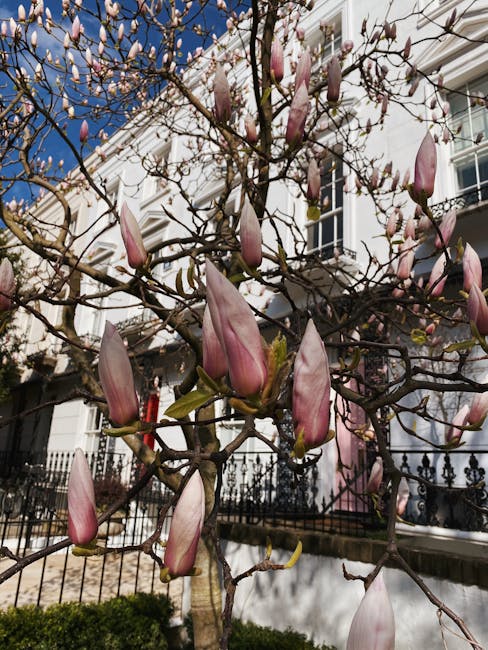
If you live near Clapham Common, you already know the front garden is doing a lot of work. It frames the house, sets the tone for the street, and, in a small SW4 space, it has to do all that without feeling cramped or fussy. This Clapham Common gardeners guide for small front gardens SW4 brings together the practical decisions that matter most: layout, planting, privacy, maintenance, and the little fixes that make a compact space feel calm rather than cluttered.
Truth be told, small front gardens are often neglected because people assume there is "not enough room to do anything". That is rarely true. With the right structure, a modest front plot can look sharper, greener, and easier to manage than a larger one. And yes, it can still have personality.
In this guide, you will find clear steps, realistic planting ideas, common mistakes to avoid, and a few local-minded suggestions that suit the rhythm of London homes. If you are weighing up a refresh, a tidy-up, or a more complete redesign, start here.
Why Clapham Common gardeners guide for small front gardens SW4 Matters
A small front garden is not just a decorative strip. In places like SW4, it often has to handle foot traffic, bins, bikes, boundary edges, drainage quirks, shade from neighbouring buildings, and the everyday wear that comes with city living. That makes planning more important than size. In a tiny space, every decision is visible.
This is where a focused gardening approach helps. Rather than trying to squeeze in everything, you choose a few strong ideas and let them carry the design. A neat hedge, a restrained planting palette, one good path finish, and a clear entrance can make a frontage feel intentional immediately. The space stops feeling "small" and starts feeling considered.
There is also a street-level effect. Front gardens influence the look of the wider road, and in a place as characterful as Clapham Common, that matters. A tidy, well-composed front plot can lift the whole terrace or parade. You notice it on the walk up in the evening: the light low, the brickwork warm, a clipped edge catching the last bit of sun. Small things, but they add up.
For many households, the front garden also has a practical role: better privacy, softer views from the pavement, and easier day-to-day maintenance. If the garden is currently a patchwork of tired paving, overgrown shrubs, and a slightly apologetic welcome mat, a smarter layout can be a real relief.
How Clapham Common gardeners guide for small front gardens SW4 Works
The best way to work with a small front garden is to think in layers. First comes structure. Then comes planting. Then comes maintenance. If you reverse that order, the result often looks busy, or worse, unfinished.
In practice, the process starts with a simple survey. What gets morning sun? Where does water sit after rain? Which corner feels exposed to wind? Is the entrance wide enough for a pushchair or wheelie bin? These questions sound basic, but they shape everything that follows.
Next, a design for a compact front garden usually uses one or more of the following moves:
- limiting the number of materials so the space feels calm
- using vertical interest to save ground area
- choosing plants that stay neat rather than sprawling
- keeping access clear and the route to the door obvious
- building privacy gently, without blocking light completely
That last point matters more than people expect. In a front garden, heavy screening can make a home feel shut in. A better approach is usually layered planting, a low boundary, or a slimline fence with climbers where suitable. If wind is an issue, the right fence design can protect the space without becoming a visual wall.
So how does the planting side work? In a small plot, you are not trying to create a collection. You are building repetition. Think of a few evergreen anchors, a couple of seasonal features, and ground cover that suppresses weeds. If you need ideas for tough, tidy options, a guide to versatile ground cover plants is a sensible place to start.
And if the front area is shaded by the house, porch, or nearby trees, climbers can be extremely useful. The right evergreen can soften brick, add privacy, and make a narrow frontage feel more alive. There is a good case for reading about evergreen climbers for shaded areas before you plant anything on impulse.
Key Benefits and Practical Advantages
When a small front garden is handled properly, the gains are not cosmetic alone. You get everyday convenience, lower maintenance, and a frontage that feels more welcoming. To be fair, that is often what people really want. Not a magazine spread. Just a garden that looks cared for and does not ask for constant attention.
- Improved kerb appeal: A neat front garden immediately raises the feel of the property.
- Better use of space: Compact layouts stop the area from looking wasted or overcrowded.
- Lower upkeep: Thoughtful plant choice reduces the time spent weeding, trimming, and replacing tired plants.
- More privacy: The right boundary planting or screening creates a calmer threshold.
- More seasonal interest: Evergreen structure with a few changing highlights keeps the garden alive year-round.
- Stronger first impression: The entrance feels more inviting, which matters every single day.
There is also a subtle emotional benefit. A well-kept front garden changes the feeling of coming home. You catch the scent of damp soil after rain, see fresh growth by the path, and the house feels a bit more yours. That sounds small, but it is not. Space can affect mood, especially when it is the first thing you see.
For properties near the common, where many streets mix period character with practical modern living, a front garden can also bridge old and new nicely. You keep the character without making the plot feel precious or overworked.
Who This Is For and When It Makes Sense
This approach is for anyone with a small front garden in SW4 who wants it to look better without turning it into a full-time job. It is especially useful if you are dealing with one of the following situations:
- a narrow terrace frontage that feels cluttered
- a tired front garden with broken paving or patchy planting
- a space that gets too much shade for grass to thrive well
- a front plot that needs more privacy from the pavement
- a windy corner where flimsy plants keep failing
- a front garden that has become mostly weeds and containers
It also makes sense if you are planning ahead for family life, pets, or ageing in place. A front garden that is easy to cross, easy to see, and easy to care for can save time and irritation later. You do not want to be tiptoeing round a muddy strip with a bag of shopping and the door key in your mouth. Nobody does.
For landlords or homeowners preparing to sell, the front garden matters even more. It gives a buyer an instant impression before they have looked at a single room. A simple refresh can be more effective than a complicated redesign, especially if the aim is clean, attractive, and low-risk.
Step-by-Step Guidance
1. Start with a hard look at the space
Measure the frontage, note the sun path, and identify the awkward bits. Is there a drain cover you need to keep accessible? Is one side always wetter than the other? Does the front step need a clearer approach? These details shape the plan.
2. Decide what the front garden must do
Pick two or three functions only. For example: frame the entrance, add privacy, and reduce maintenance. If you try to make a small garden do five jobs, it usually ends up doing none of them particularly well.
3. Clear out the weak elements
Remove overcrowded shrubs, broken pots, self-seeded weeds, and anything that blocks the line from the pavement to the door. If ivy has taken over a wall or fence, it is worth looking at a proper ivy removal approach before you start replanting.
4. Set the structure first
Put in the bones of the space: edging, a path, a fence or low boundary, maybe a small seating ledge if there is room. Structure stops the garden from feeling floaty. It is the bit people often skip, then wonder why the planting never looks settled.
5. Choose a limited planting palette
Use repeating plants rather than lots of one-offs. Repetition looks calm. It also makes maintenance easier because you learn how the plants behave. In a compact SW4 frontage, that is a blessing.
6. Add one strong vertical element
A climber, slim trellis, wall-trained shrub, or narrow hedge can draw the eye upward and make the space feel bigger. Vertical detail is especially useful in urban front gardens, and it works well with vertical garden ideas where ground area is limited.
7. Finish with tidy, durable surfaces
Refresh paving, clean the path, and make sure the entrance reads clearly from the street. If the front walk has moss, algae, or years of grime, a proper clean can make an outsized difference. A neat surface is like a clean shirt. Suddenly everything else looks more intentional.
8. Put maintenance on a simple schedule
Small front gardens succeed when they are checked regularly, not when they are hit hard once a year. Ten minutes here and there often beats a dramatic weekend rescue.
Expert summary: In small front gardens, structure first, planting second, maintenance always. If one of those three is missing, the garden usually starts to feel smaller than it is.
Expert Tips for Better Results
A few careful choices can make a big difference in a tiny garden. These are the sorts of decisions that separate a decent front garden from one that feels quietly excellent.
- Use two or three main colours only. Too many flower colours in a small space can look busy from the pavement.
- Prefer evergreen backbone planting. It keeps the garden looking alive even in winter, when a lot of small front gardens go flat.
- Think in heights. Low planting at the front, medium shrubs in the middle, and one vertical feature near the boundary usually works well.
- Choose containers with discipline. A couple of good pots can sharpen an entrance. Too many just become a collection of things to move around in the rain.
- Match the front garden to the property. Victorian terraces, modern townhouses, and converted flats often need different levels of formality.
- Build for weather, not just looks. London still gets proper wind, wet spells, and winter slop. Use planting that can handle that reality.
If the site is exposed, it is worth pairing planting with shelter thinking. A smart boundary and wind-aware planting mix can stop the garden from constantly looking ragged. For deeper context, a guide like garden protection against harsh weather is genuinely useful.
One more thing: don't underestimate light. A small front garden can look twice as good with better contrast between foliage and hard surfaces. Sometimes it is not about adding more. It is about letting what is already there breathe.
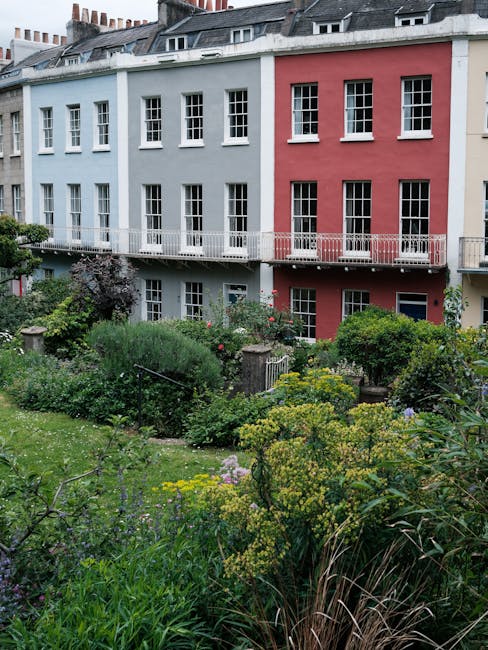
Common Mistakes to Avoid
Small front gardens tend to fail in predictable ways. The good news is that most of the mistakes are easy to spot once you know what to look for.
- Overplanting: A few months after planting, everything collides and the garden feels tight.
- Using too many materials: Brick, gravel, slate, timber, and tiles all in one tiny area can look messy.
- Choosing high-maintenance plants: If a plant needs constant tying in, feeding, or rescue work, it may not belong here.
- Ignoring drainage: Wet corners turn into muddy trouble spots and kill weaker plants.
- Blocking the entrance: A front garden still needs to function as an entrance, not just a display bed.
- Forgetting about winter: A garden that only works in May is not really working.
A common one in SW4 is using plants that look lovely in the nursery but are not especially suited to a compact, urban, occasionally windy frontage. It happens. We have all fallen for a good-looking shrub at least once. The trick is not to repeat the mistake in six different sizes.
Another trap is neglecting edges. A neat edge between lawn, path, bed, or border can make even a modest front garden look sharply maintained. Sloppy edges do the opposite, and they are oddly persuasive about it too.
Tools, Resources and Recommendations
For a small front garden, you do not need a van full of kit. You need a sensible set of tools and a few reliable ideas for making the most of a limited footprint.
Useful tools
- hand trowel and border fork
- secateurs for light pruning and deadheading
- loppers for thicker stems
- stiff brush for paths and edges
- watering can or hose attachment suited to a small area
- soil improver or compost for tired borders
Useful planning ideas
- low-maintenance garden ideas for busy households
- container gardening for urban spaces when soil space is limited
- herb planting ideas if you want scent and usefulness at the entrance
- beginner-friendly gardening basics if you are starting from scratch
If the front garden needs regular care rather than a one-off revamp, a dependable garden maintenance service in Lambeth can help keep things consistent. If the lawn itself is part of the picture, you may also want to look at lawn care or lawn mowing, depending on what the space actually needs.
If surfaces are tired, there is a practical case for patio cleaning. And if the frontage needs a more structural update, landscaping support or even decking services may be part of the solution, though small spaces usually benefit from restraint rather than lots of features.
Law, Compliance, Standards, or Best Practice
For a small front garden, compliance is usually less about complex paperwork and more about sensible boundary, safety, and neighbour-friendly practice. In London, it is wise to think carefully before making changes to front boundary walls, fences, or trees, especially if the property has any visible character features or shared edges.
As a general best practice, keep sightlines clear near paths and entrances, avoid unstable structures, and make sure any hard landscaping is installed with drainage in mind. If you are adding or replacing a fence, especially in a windy spot, use a design suited to local exposure. The wrong fence can rattle, lean, or fail far too quickly.
There is also a practical duty to work safely. Good contractors should use sensible site protection, communicate clearly, and manage waste responsibly. If you are checking a company before appointing them, pages such as insurance and safety, health and safety policy, terms and conditions, and privacy policy are worth reading. They tell you a lot about how seriously a business takes its work.
For hedge work or anything involving larger woody growth, a service such as hedge trimming may be appropriate. For trees that are close to the house or casting too much shade, tree surgery should be handled carefully and professionally. A front garden is small, yes, but safety does not get smaller with it.
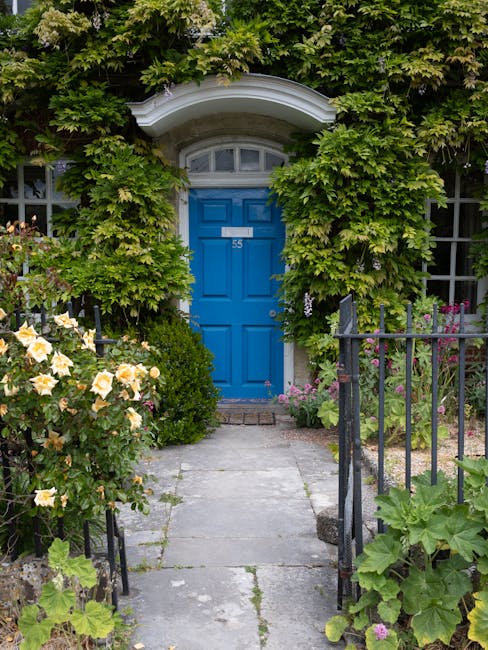
Options, Methods, or Comparison Table
If you are deciding how to improve a small front garden, it helps to compare the main approaches side by side. The "best" option depends on budget, upkeep, and how much structure the space already has.
| Approach | Best for | Pros | Trade-offs |
|---|---|---|---|
| Minimal tidy-up | Quick kerb appeal boost | Low cost, fast, clean result | Does not solve deeper layout issues |
| Plant-led refresh | Adding softness and seasonal interest | Flexible, attractive, good for small spaces | Needs thoughtful species choice |
| Structure-led redesign | Long-term improvement | Improves flow, privacy, and function | More planning and usually more cost |
| Low-maintenance conversion | Busy households or rental properties | Easy to manage, neat all year | Can feel plain if too sparse |
| Privacy and screening focus | Homes close to the pavement | More comfort, calmer feel | Needs balance to avoid blocking light |
For many SW4 homes, the sweet spot is a blend: a cleaner entrance, a small amount of structure, and planting that does not demand constant intervention. That mix gives the best balance of style and practicality.
Case Study or Real-World Example
Here is a realistic example from the kind of small front garden we often see around Clapham Common. The frontage was narrow, shaded by part of the house and a neighbouring tree, with tired paving, a couple of overgrown shrubs, and a hedge that had become more hope than hedge.
The first step was stripping the space back to its bones. Out went the clutter, the dead ends, and the plants that were too big for the bed. The path was cleaned, the edge sharpened, and the entrance line made clearer. Nothing dramatic. Just honest work.
Then came the planting plan. Evergreen structure was added at the boundary, a climbing plant softened one side wall, and low ground cover was used to fill gaps and reduce weeds. A couple of containers near the door brought height and seasonality without swallowing the space. The result looked calmer at once.
The nice bit was how the garden changed through the week. In the morning, it felt brighter because the entrance was clearer. In the evening, the planting caught the low light and the front felt welcoming rather than exposed. And upkeep? Much easier. A quick tidy, a little deadheading, done.
That, really, is the goal. Not perfection. Just a front garden that works properly, looks good from the pavement, and does not require a heroic effort every Sunday.
Practical Checklist
Use this checklist before you start a small front garden project in SW4:
- measure the garden and note awkward corners
- check which areas get sun, shade, and wind
- decide the main job of the garden
- remove overcrowded or failing plants
- keep one clear route to the front door
- limit the number of materials used
- choose a handful of repeat plants rather than many different ones
- add at least one evergreen feature
- include a plan for weeds and seasonal maintenance
- clean hard surfaces before final planting decisions
- make sure any boundary work suits local conditions
- leave enough space for bins, access, and daily use
If you can tick most of those off, you are already ahead of the game.
Get a free quote today and see how much you can save.
Conclusion
A small front garden in Clapham Common does not need to be large to be lovely. It needs clarity. A clear purpose, a few well-chosen plants, a sensible structure, and a maintenance plan that fits real life. That is the heart of a good front garden in SW4.
Start with the bones, then build the soft details around them. Keep the palette calm, the entrance open, and the planting resilient. If you do that, the space stops fighting itself and starts quietly doing what it should: welcoming you home.
And honestly, that is enough. More than enough, on most days.

Rachel's expertise in gardening shines through as she supports countless clients in fulfilling their gardening needs effectively. Additionally, her proficiency in writing allows her to address a multitude of subjects related to gardening and landscaping with clarity.