Delays and access problems for gardeners in Streatham Hill Estate
Posted on 11/11/2026

Delays and Access Problems for Gardeners in Streatham Hill Estate
If you manage a garden in Streatham Hill Estate, you'll know the job is rarely just about the plants. Often, the real challenge is getting in, getting set up, and getting the work done without losing half the day to locked gates, narrow paths, parking headaches, or a neighbour who suddenly needs the bin store cleared. Delays and access problems for gardeners in Streatham Hill Estate can sound like a small nuisance at first, but they quickly affect timing, cost, safety, and even the quality of the finish.
This guide breaks down what causes those access issues, why they matter, and how to handle them in a calm, practical way. Whether you're arranging routine maintenance, hedge work, or a bigger outdoor refresh, you'll find useful steps, a few hard-won lessons, and a clearer sense of what good planning looks like in a real London estate setting. Truth be told, the smooth jobs are usually the ones that are planned before anyone has even picked up a fork.
- Why the issue matters
- How access delays usually happen
- Benefits of planning ahead
- Who this is for
- Step-by-step guidance
- Expert tips
- Common mistakes to avoid
- Tools and resources
- Law, compliance and best practice
- Options and comparison table
- Real-world example
- Practical checklist
- Conclusion
- Frequently asked questions
Why Delays and access problems for gardeners in Streatham Hill Estate Matters
Access problems do more than slow a gardener down. They can change the whole shape of a visit. If entry is delayed, the work window gets shorter. If equipment can't be carried close to the work area, a simple hedge trim becomes a longer, heavier job. If parking is difficult, more time is spent unloading, reloading, and moving kit than actually working on the garden.
That matters because garden work is time-sensitive. Turf needs the right conditions, pruning should happen at the right stage, and some jobs are best completed in one clean visit rather than stretched over two or three. Delays can also affect the customer experience. Nobody enjoys paying for time that disappears into logistics. Quite reasonably, people want the gardening itself to be the main event.
In estate environments, access issues often ripple out beyond one property. Shared paths, communal entrances, service bays, and neighbour traffic can all create little pinch points. One locked gate in the morning can affect the whole day's schedule. And once a team is running behind, the knock-on effect can be felt on other jobs across Lambeth.
There's also a safety angle. Carrying heavy materials farther than expected, navigating uneven communal surfaces, or trying to rush through a restricted access point increases the chance of slips, strains, or accidental damage. For anyone booking regular garden maintenance in Lambeth, that's not a detail to shrug off.
How Delays and access problems for gardeners in Streatham Hill Estate Works
Most access problems come down to one of four things: entry, movement, parking, or permissions. The work itself may be straightforward, but the route to the work is where things get tangled.
1. Entry delays
These happen when a gardener arrives and cannot immediately get through the main entrance, side gate, bin store route, or garden access point. Sometimes the issue is a missing key. Sometimes it is a call box that doesn't work. Sometimes a resident means well but is not around when needed. Small delay, big impact.
2. Restricted movement around the estate
Even after entry, the route to the garden may be awkward. Narrow corridors, steps, shared walkways, and awkward turning points can all slow loading and unloading. A wheelbarrow is simple on paper, but a wheelbarrow plus two bags of compost and a strimmer is not exactly light work up three flights of stairs.
3. Parking and unloading issues
If a vehicle can't stop close enough to the entrance, crews lose time moving tools by hand. That is especially noticeable on larger jobs or where materials need to be carried in more than once. If parking is uncertain, the whole schedule becomes less predictable. And once a schedule becomes unpredictable, everyone starts watching the clock a bit too closely.
4. Estate rules and neighbour coordination
Some estates have quiet hours, access windows, or practical limitations around deliveries and tradespeople. Even where rules are informal, the social side still matters. A team may need to avoid block entrances during school run times, for instance, or work around bin collection day so equipment is not blocked by refuse. It sounds fussy, but in practice it often saves time.
In a well-run booking process, these issues are checked before the day arrives. If you're looking at broader outdoor work too, it can help to think beyond the immediate task and consider whether gardening services in Lambeth need special access arrangements from the start.
Key Benefits and Practical Advantages
Solving access issues early is not just about avoiding irritation. It changes the economics and the quality of the job in a very real way.
- Better timekeeping: fewer surprises, fewer lost minutes, fewer unfinished tasks.
- Cleaner workmanship: when a team can move properly, they can focus on detail rather than logistics.
- Lower risk of damage: fewer chances of scraping walls, dragging debris, or carrying awkward loads through tight spaces.
- Safer working conditions: less rushing, fewer manual handling problems, and clearer routes.
- More accurate quotes: if access is understood properly, estimates are usually more realistic.
- Less stress for residents: no awkward door-knocking, no repeated calls, no confusion on the day.
There's a quieter benefit too: trust. When a gardener turns up prepared for the practical realities of an estate, it signals professionalism. You notice it straight away. The job feels organised before the first bag is even lifted.
For clients with heavier ongoing work, such as mowing, pruning, or seasonal visits, this matters especially. It can make the difference between a patchy service and a dependable routine, which is why many households prefer a structured service like lawn care in Lambeth rather than one-off patchwork fixes.
Who This Is For and When It Makes Sense
This topic is relevant to quite a few people, not just estate managers or contractors. If any of the following sounds familiar, the advice here is probably useful.
- Residents booking regular maintenance in a managed estate setting
- Landlords or property managers coordinating external works
- Gardeners carrying out pruning, planting, clearance, or tidy-up jobs
- People arranging first-time work at a property with limited access
- Anyone whose garden is behind communal gates, basement steps, or shared walkways
It makes sense most of all when the work is physically involved: hedge cutting, debris removal, fencing, tree-related jobs, or anything requiring more than a few hand tools. A small back garden with no vehicle access can still be perfectly manageable, but only if the planning reflects the reality on the ground. Otherwise you end up with a lovely plan and a messy day.
If your project involves boundaries, screening, or privacy, access planning becomes even more important. Materials for jobs such as fencing work in Lambeth often need more space, more carrying, and more coordination than people first expect.
Step-by-Step Guidance
Here's a straightforward way to reduce delays before they start. Nothing fancy. Just the basics done properly.
- Map the access route. Think from vehicle to garden, not just from front door to garden. Where will tools be carried? Are there steps? Is there a narrow turn or a locked gate?
- Confirm entry details in advance. Make sure keys, fobs, codes, or contact names are available and current. One missing code can cost more time than a whole trolley of tools.
- Flag parking limitations early. If nearby parking is tight, say so. If there's a loading area or a time limit, mention it before the visit.
- Describe the job clearly. A "quick tidy" can mean ten different things. Be specific about hedges, borders, green waste, patio access, and whether machinery is required.
- Separate urgent work from optional extras. If access is limited, prioritise the essentials first so the most important jobs get done even if the day runs short.
- Prepare communal spaces. Move bikes, prams, bins, or other items out of the route if you can do so safely.
- Agree a fallback plan. If the main gate is locked or the weather turns, what happens? A simple backup plan saves a lot of phone calls.
One practical trick: take a quick walk of the route yourself the day before. You'll spot things that are easy to miss when you're focused on the garden itself. A low wall, a tight doorway, a loose slab, that one awkward latch - all the little annoyances show up fast once you look for them.
Expert Tips for Better Results
After enough estate jobs, certain patterns repeat. The smooth ones tend to share a few habits.
Be exact about timing. "Any time after lunch" is much harder to work with than a one-hour window. If access depends on a resident being home, build that into the booking from the start.
Keep access instructions in one place. A short, clear note is better than three scattered texts and a voicemail. Simple wins here.
Think about waste removal before the work starts. Cuttings, soil, and old materials need a route back out. If they can't be stored safely and neatly, the end of the job becomes the most stressful part.
Ask about the heaviest item first. That one question often reveals the real challenge. A few bags of compost are one thing; a stacked fence panel or mature root ball is another thing entirely.
Choose jobs that suit the site. In some cases, container planting, vertical features, or lower-maintenance planting are better choices than large-scale changes. Not because the garden is "too small", but because the site has its own rhythm. Container gardening for urban spaces can be a very sensible answer when access is tight.
Don't let one access issue snowball. If the gate arrangement is awkward, deal with that first. If the route is muddy, protect it first. It sounds obvious, yet this is where a lot of jobs get slightly untidy.
A small note from experience: if a job feels like it might be delayed, it usually will be. Better to solve the bottleneck before the van arrives than to hope it sorts itself out. It rarely does.

Common Mistakes to Avoid
These are the kinds of things that create avoidable friction. Not dramatic errors, just the everyday stuff that quietly wastes time.
- Assuming access is "obvious": it often isn't, especially for someone who has never visited before.
- Forgetting about green waste: cuttings still need to leave the site somehow.
- Leaving shared areas cluttered: a clear route is safer and faster for everyone.
- Booking without mentioning restrictions: estate rules, parking limits, or locked entrances should never be a surprise.
- Underestimating the time for heavy work: manual carrying slows things down more than most people expect.
- Trying to squeeze too much into one visit: if access is awkward, a sensible shortlist beats an overpacked plan.
There's a subtle mistake too: treating access delays as if they are nobody's fault and therefore nobody's problem. In practice, the best results come when everyone involved takes a little ownership. A five-minute heads-up can save an hour later on.
For jobs involving overgrown boundaries or difficult plant clearance, it's wise to make the site itself easier before the work begins. If ivy or heavy climbers are part of the access issue, the article on lasting ivy removal results is a useful companion read.
Tools, Resources and Recommendations
You do not need a huge kit to handle access constraints well, but the right basics make a big difference.
- Headtorch or portable light: useful for early starts, shaded corridors, or dim communal routes.
- Folding hand trolley: helps with tools, small bags, and waste where pathways allow it.
- Sturdy tubs or trugs: easier to carry than loose piles of cuttings.
- Clearly labelled keys or fobs: simple, but worth their weight in gold when access is shared.
- Protective sheets or mats: helpful for keeping communal areas tidy and reducing mess.
- Pruning and cutting tools matched to the job: fewer oversized tools means less awkward manoeuvring.
From a planning perspective, the most useful resource is a site note. Nothing glamorous. Just a short record of what the access is like, where to park, who opens the gate, and what to avoid. It can sit in a message thread or a job brief. The format matters less than the clarity.
If you are trying to cut repeat visits or simplify upkeep over time, it may also help to consider broader tidy-up work alongside the garden itself. Services such as patio cleaning in Lambeth or lawn mowing in Lambeth can be easier to manage when access is planned as part of a single visit rather than as an afterthought.
And if the property needs a larger makeover rather than just maintenance, combining access planning with a broader design conversation can save a lot of duplication. That's especially true where the route in is tight and the output needs to be phased.
Law, Compliance, Standards, or Best Practice
This subject isn't usually about a single special law, but it does touch on common UK duties and working standards that sensible teams take seriously.
Health and safety matters whenever heavy tools, manual handling, steps, slips, shared access, or public-facing routes are involved. A professional approach should reduce avoidable risk, keep walkways clear where possible, and avoid creating hazards for residents or visitors.
Manual handling best practice is especially relevant in estate settings. If carrying loads can be reduced, split, or moved with equipment rather than by hand, that is generally the better option. Rushing heavy loads through narrow access is not clever. It just isn't.
Respect for communal areas is also part of good practice. That means leaving routes tidy, avoiding unnecessary obstruction, and working with residents in a way that is considerate rather than disruptive.
Insurance and accountability are worth confirming for any contractor working in a shared or restricted environment. If a property manager is coordinating jobs, written clarity about responsibilities can prevent misunderstandings later. A good provider should be open about this, as well as about its own working arrangements. If you want to see how this kind of reassurance is usually presented, pages such as insurance and safety, health and safety policy, and accessibility statement are the sort of references people often look for when checking trust signals.
Accessibility deserves a sensible mention too. If a route is difficult for one person, it may be difficult for another. Clear communication, step-free alternatives where possible, and reasonable adjustments where practical all make the job more inclusive and less stressful.
Options, Methods, or Comparison Table
When access is tricky, there isn't one perfect method. The right option depends on the site, the job, and how often the work needs doing.
| Approach | Best for | Strengths | Trade-offs |
|---|---|---|---|
| One-off visit with on-the-day coordination | Small jobs, flexible residents, simple access | Quick to arrange, less admin | More risk of delay if access changes last minute |
| Pre-checked access and parking plan | Regular maintenance, shared entrances, tighter estates | More predictable, safer, better for larger work | Needs a bit more admin before the day |
| Phased jobs over multiple visits | Big clearances, heavier materials, awkward routes | Reduces overload and makes access easier to manage | Can take longer overall |
| Low-maintenance redesign | Repeated access headaches, limited storage, busy households | Fewer future visits, simpler upkeep | May need an upfront design conversation |
In many Streatham Hill Estate situations, the best answer is a mix: plan access carefully, split the difficult work where needed, and simplify the garden where that makes long-term sense. That approach is often more practical than trying to force every job into a single all-or-nothing visit.
If the goal is to reduce future maintenance pressure, a few well-chosen plantings can help. For example, ground cover planting ideas and low-maintenance garden ideas can reduce the number of repeat interventions a site needs.
Case Study or Real-World Example
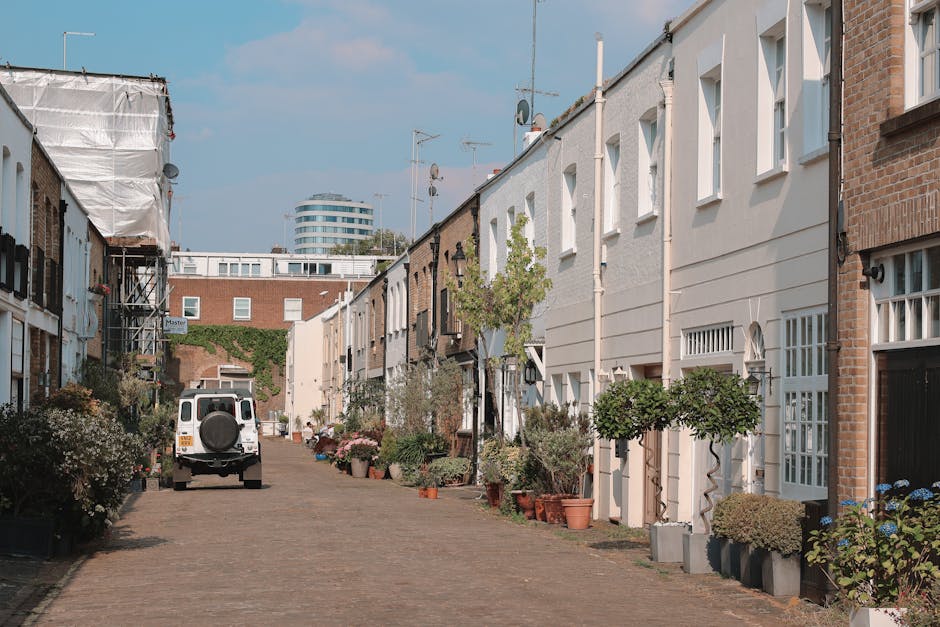
Picture a tidy estate garden with a shared entrance, a narrow side path, and no obvious place to unload materials. The resident wants hedge trimming, border clearing, and a general tidy-up. On paper, it sounds like a half-day job. In reality, it becomes a much bigger task if the crew arrives without entry details, has to park two streets away, and can only carry tools in one by one.
Now compare that with a better-prepared version of the same job. The access code is confirmed the day before. The resident knows the arrival window. A route through the communal area is kept clear. Waste bags are staged near the exit point once the job starts. The work is still physical, of course, but it stays on schedule. The team spends time cutting, clearing, and shaping rather than waiting around and repeating movements.
That second version usually feels calmer for everyone. You hear less back-and-forth, see fewer dropped tools, and get a cleaner finish by the end of the day. It's not magic. It is just the boring, useful discipline of planning access properly. And boring is often what makes a job go well.
Where gardens are used by families or pets, the access plan may need one more layer of care. A site with dogs, children, or shared play space may benefit from a more phased, safer setup. Related reading such as gardens designed for dogs or family-friendly garden ideas can help shape those decisions in a practical way.
Practical Checklist
Use this before any visit where access might be awkward.
- Confirm the full address and the exact entrance to use
- Share gate codes, keys, or contact details in advance
- Check whether parking or loading is restricted
- Make the route from gate to garden as clear as possible
- Identify steps, narrow passages, or slippery areas
- Tell the gardener what green waste needs removing
- List any fragile surfaces, shared features, or neighbour-sensitive spots
- Agree the visit window, especially if someone must be present
- Prioritise the most important tasks first
- Confirm what happens if access changes on the day
If you can tick most of those boxes, the job is already in much better shape. Not perfect, maybe, but definitely better.
Get a free quote today and see how much you can save.
Conclusion
Delays and access problems for gardeners in Streatham Hill Estate are not just frustrating admin issues. They affect time, safety, quality, and the overall feel of the job. The good news is that most of the pain can be reduced with careful planning, honest communication, and a little respect for the realities of estate access.
Whether you're arranging a simple tidy-up or a larger outdoor improvement, the strongest results usually come from working with the site rather than against it. That means thinking about entry, carry distance, parking, waste movement, and the pace of the work before anyone starts. Do that, and everything tends to flow a lot better.
And if you're ever in doubt, keep it simple, keep it clear, and ask the awkward questions early. It saves time. It saves stress. It just makes life easier, really.
In a place where shared spaces matter and details matter, that kind of preparation goes a long way.

Rachel's expertise in gardening shines through as she supports countless clients in fulfilling their gardening needs effectively. Additionally, her proficiency in writing allows her to address a multitude of subjects related to gardening and landscaping with clarity.