Emergency garden clearance and urgent gardeners for fallen trees
Posted on 27/11/2026
Emergency Garden Clearance and Urgent Gardeners for Fallen Trees
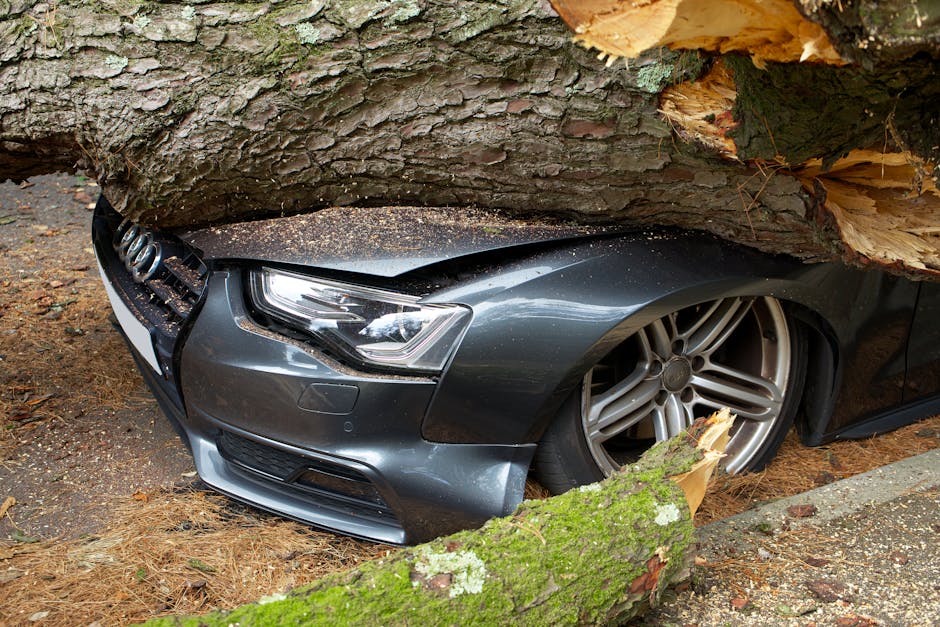
When a tree comes down into a garden, everything else tends to stop. Paths disappear, gates jam, branches scratch at windows, and that quiet little outdoor space suddenly feels awkward, unsafe, and a bit overwhelming. Emergency garden clearance and urgent gardeners for fallen trees is about getting that space under control quickly, safely, and with as little fuss as possible. Not in a dramatic way. Just the practical sort of help you need when a storm has had other ideas.
This guide explains what emergency clearance involves, who needs it, what happens on site, and how to judge whether you need a full tree-surgery response or a focused garden tidy-up after fallen timber. You will also find a step-by-step approach, common mistakes to avoid, and a realistic checklist for those first few hours after damage. If you are standing in the back garden wondering where to start, you are in the right place.
Why Emergency garden clearance and urgent gardeners for fallen trees Matters
A fallen tree is not just untidy. It can block access, conceal sharp debris, damage fencing, trap moisture against lawns, and leave heavy limbs under tension. In a small London garden, even one large branch can make the whole space unusable. Truth be told, what looks like a simple clean-up from the back door can become a risky job the moment you start lifting or cutting without a plan.
Emergency clearance matters because the hazards are often layered. There is the obvious physical risk from unstable trunks and hanging branches, but there are also hidden issues: cracked paving, torn deck boards, crushed planting, and damaged drainage. A tree that has fallen across a boundary may also affect neighbouring property. That is why a quick, orderly response is worth more than a hurried attempt to drag everything out of the way.
For many homeowners, this kind of work sits somewhere between garden maintenance and tree work. It is not always a full landscape project, and it is not always a major arboricultural operation either. A good team will work out what needs immediate making safe, what can be removed right away, and what should wait until the site is stable. If the wider garden needs a reset after the damage, a broader gardening services visit can help bring the whole space back together.
There is also a timing issue. Wet timber, windblown rubble, and broken stems get heavier and messier as they sit. A delay can turn a manageable clear-up into a longer, more expensive one. And in winter, the garden can start to feel like a worksite rather than a home space. Nobody wants that for long.
How Emergency garden clearance and urgent gardeners for fallen trees Works
The process usually starts with a quick assessment. The aim is not to admire the mess. The aim is to identify danger points: hanging limbs, power-related risks, blocked exits, snapped fence posts, and damage to sheds, patios, or neighbouring structures. From there, the team decides whether the job is a straightforward clearance, a controlled cut-down, or a tree-surgery call-out that needs more specialist equipment.
Once the site is assessed, the priority is making the area safe. That might mean removing loose debris by hand, cutting branches into manageable sections, or securing unstable pieces so they cannot shift unexpectedly. If a large trunk is resting on fencing or a roofline, the team will usually work from the safest direction first rather than trying to force the whole thing down. It sounds obvious, but you would be surprised how often people want to pull the biggest bit first. Understandably so, but that is not usually the clever move.
After the immediate danger is dealt with, the clearance phase begins. This may include collecting green waste, stacking timber for removal, clearing access routes, and checking for further hidden damage. If the fallen tree has exposed bare soil, compacted turf, or smeared mud across paths, the tidy-up may continue into surface restoration. For example, a damaged lawn might need levelling and recovery, while a muddy terrace could benefit from a proper clean-up and a patio cleaning follow-on once the heavy debris is gone.
In more complex cases, urgent gardeners may coordinate with tree specialists rather than working alone. That is often the sensible path when the tree is large, storm-damaged, or unstable. A controlled response is much better than a heroic one. Heroic is for films, not for fallen branches.
Key Benefits and Practical Advantages
Emergency clearance is about more than appearances. It gets your property usable again, but it also reduces the chance of further damage. A branch left leaning across a boundary can shift after rain. A partially uprooted tree can pull harder on roots and fencing as the ground softens. Clearing things early lowers those knock-on risks.
One of the biggest benefits is access. If you need to get children, pets, wheelie bins, or even just yourself in and out of the garden safely, blocked routes are a real nuisance. In family gardens, this can matter fast, especially where broken timber has landed near play areas. If your garden is arranged for daily family use, you may also find useful ideas in garden spaces designed for children and in practical planning for gardens that work for dogs once the immediate emergency has passed.
Another advantage is damage control. Storm-felled trees often crush shrubs, flatten borders, and scatter bark or soil. A fast response gives you a better chance of salvaging plants and protecting hard landscaping. It also helps prevent long-term problems like fungal decay in broken wood, waterlogging around disturbed roots, and compaction where heavy timber has sat for too long.
There is a financial upside too, though it is not always the first thing people think about. Clearing a site promptly can reduce secondary repairs. A snapped fence panel left under pressure may fail further. A loose branch pressing against decking can mark or split boards. If the storm has affected garden structures as well as trees, it can be worth looking at decking services or fencing support once the dangerous material is removed.
Who This Is For and When It Makes Sense
This service is for anyone dealing with unsafe tree fall, storm debris, or a garden that has been made inaccessible by broken timber. That includes homeowners, landlords, letting agents, businesses with outdoor space, and anyone managing shared access areas. If a tree has fallen across a driveway, crushed planting beds, or made the back gate unusable, the need is obvious. But it also makes sense in less dramatic situations where the garden is simply too hazardous or cluttered to manage alone.
It is especially relevant after high winds, heavy rain, frozen ground, or sudden branch failure. Some gardens are more exposed than others. Open plots, corner plots, and gardens bordered by tall fences or mature trees can take the brunt of a storm. A useful side consideration is whether your boundary planting and shelter are part of the problem or part of the solution. For long-term resilience, reading about choosing the right fence for windy conditions can help you think beyond the immediate clean-up.
It also makes sense when you need a calm, methodical response rather than a rush of unrelated tradespeople. A good urgent gardener is practical. They clear, sort, assess, and leave the site manageable. If tree failure is linked to older ivy growth, top-heavy climbers, or neglected boundaries, the recovery work may extend into broader vegetation control, including careful ivy removal and long-term weed management.
If the job is large, awkward, or visibly dangerous, do not force it into a DIY category just because the garden looks familiar. Familiar ground can still hide risk. That is the part people sometimes forget.
Step-by-Step Guidance
If you need to act quickly, use a simple sequence. It keeps the job under control and reduces the chance of making a bad situation worse.
- Stop and assess from a safe distance. Look for hanging limbs, unstable trunks, damaged walls, leaning fences, and anything near cables or glass. Do not stand under what might still move.
- Keep people and pets away. Close access points if you can, and make sure nobody wanders into the area. That includes the dog who thinks every new pile is a personal mountain.
- Photograph the damage before moving things. This is useful for insurance, landlord records, or simply keeping track of what happened before the clean-up begins.
- Remove only obvious loose items if it is safe. Small branches, detached garden furniture, or loose pots can sometimes be moved carefully. Leave anything under tension.
- Arrange urgent clearance. A professional can decide what can be cut, what needs securing, and what should be left for specialist tree work.
- Clear debris in stages. Timber first, then branch material, then smaller waste, then the surface tidy-up. Jumping straight to the fine detail slows everything down.
- Check for hidden damage. Look at sheds, gates, lights, paving, turf, and neighbouring boundaries once the major obstruction is gone.
- Plan the recovery work. This might involve regrading soil, replanting, repairing fencing, or bringing the garden back into a manageable routine through garden maintenance.
A small but useful note: do not treat the first tidy-up as the final tidy-up. After a fallen tree, the garden often needs a second look once the dust, bark chips, and split stems are out of the way. That second look is where the proper repair plan starts.
Expert Tips for Better Results
First, work from the outside in. It is tempting to head straight for the biggest log or the most visible branch, but the safest clearances usually start by opening access, removing trip hazards, and freeing the edges of the site. That makes the bigger work easier and safer.
Second, separate green waste from reusable timber if that is appropriate for the site. Some branches can be chipped, cut for logs, or stacked for later disposal. Others, especially rotten or splintered material, should go straight into waste removal. Keeping those streams tidy saves time later. There is nothing glamorous about sorting sticks, but it does make the whole job smoother.
Third, think about drainage. A fallen tree can churn soil and create compacted patches that hold water. If the garden already struggles in winter, this is the moment to notice where puddles sit and where soil has collapsed. A recovery plan that includes soil improvement with organic debris can be surprisingly helpful once the major hazard is gone.
Fourth, do not ignore the surrounding planting. Shaded corners, broken trellis work, and disturbed borders often need rebalancing after tree damage. In some gardens, the right response is not simply to replace what was lost, but to rebuild with sturdier, lower-maintenance planting. If you are thinking that far ahead already, ground cover planting and low-maintenance garden ideas can be useful reference points.
Finally, remember that a calm, tidy site is easier to assess than a chaotic one. Once the biggest obstruction is removed, step back. You will see what the garden actually needs. Not what the storm made you think it needs. There is a difference.
Common Mistakes to Avoid
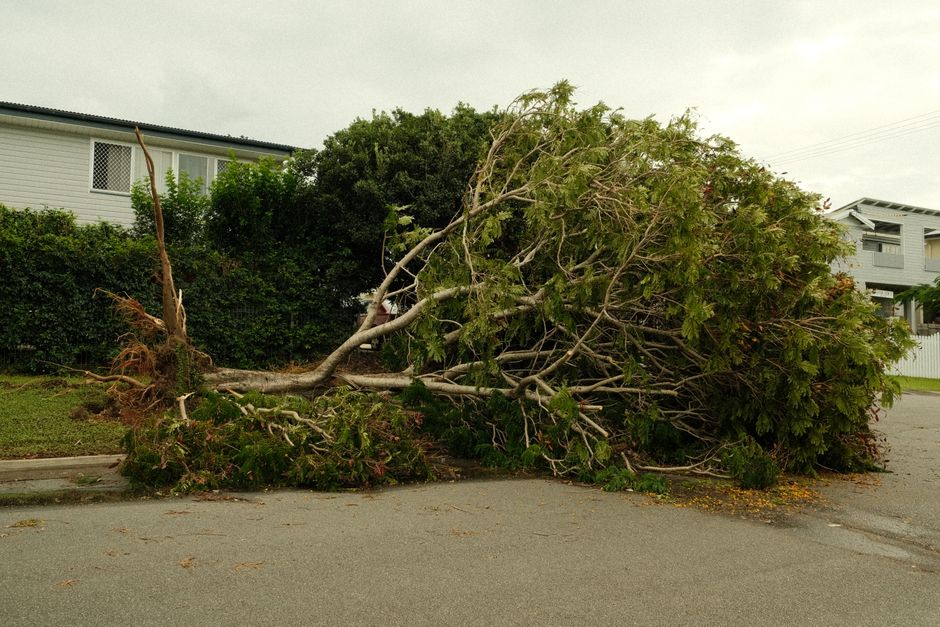
The most common mistake is trying to move a fallen tree before understanding how it is resting. A trunk under pressure can shift suddenly, especially if it is pinned against a fence, wall, or other branch. What looks solid may not be solid at all.
Another mistake is cutting random pieces off the wrong end. That can release tension in unexpected ways. Even a small branch can spring back when other sections are removed. This is why urgent tree-related work should be planned rather than improvised. If the damage has affected structural timber too, take a careful look at whether tree surgery support is the better route before anyone starts cutting.
People also forget to inspect boundaries. Fallen trees often damage fence lines first, then the rest of the garden after that. A slightly bowed panel may seem unimportant at the time, but if the storm season continues, it can collapse completely. Likewise, trying to tidy the visible mess without checking what sits beneath it can leave broken roots, buried debris, or hidden glass in place.
And, honestly, one more mistake is leaving the garden half-cleared for "later". Later tends to become next week. Then it rains again. Then the site gets heavier, muddier, and less pleasant to deal with. Happens all the time.
Tools, Resources and Recommendations
For urgent clearance, the right tools depend on the scale of damage. On smaller jobs, you may need heavy-duty gloves, loppers, saws, tarps, wheelbarrows, rakes, and waste sacks. On larger or riskier sites, specialised cutting tools, lifting equipment, and safe access methods become more important. But tool lists are not the real story here. Judgement is.
If you are managing a response on your own before help arrives, the most useful "resource" is a clear plan. Keep a phone charged, make notes of what is damaged, and do not bury important details under piles of branches. Slightly boring, yes. Very helpful, also yes.
It can also help to think about your wider garden system while the site is open. Fallen trees expose the way a garden is actually working. Are the boundaries too exposed? Does the soil compact easily? Is there enough shelter for tender plants? Would better wind management help in future? Articles like balancing wind and garden tranquillity and garden protection against harsh weather are useful if you want to turn a bad week into a better long-term setup.
For people who like to see the bigger picture, that recovery period can also be a chance to improve how the whole garden feels. Some homeowners choose to rebuild seating, screens, or planting zones after emergency work. If that sounds familiar, you may want to explore garden seating ideas or think about whether the cleared space could be used in a more resilient way next time.
Law, Compliance, Standards, or Best Practice
Fallen-tree work touches safety, property responsibility, and sometimes neighbour relations, so best practice matters. In the UK, garden and tree work should be carried out with appropriate regard for risk assessment, safe access, and the competence of the person doing the work. The exact duties vary with the site and the situation, so it is sensible to be cautious rather than casual.
If a tree has fallen near shared boundaries, roads, access paths, or utility-related hazards, the situation may need additional care before work begins. Where a tree could affect neighbouring property, it is also sensible to document the condition of the site and communicate clearly. Not everything needs a formal statement, but clear records help if questions come up later. A straightforward approach to business practices and customer care can be seen in pages such as health and safety policy, insurance and safety, and terms and conditions.
Waste handling matters too. Green waste, timber, and mixed debris should be separated sensibly where possible, and disposed of in line with local expectations. If a site involves protected features, boundary issues, or more complex arboricultural concerns, additional specialist input may be needed. That is normal. Better to pause and assess than rush into the wrong fix.
Best practice also means being honest about what can be done safely on the day. Sometimes the correct response is partial clearance with a return visit once conditions improve. That is not a failure. It is a professional decision, and usually the safer one.
Options, Methods, or Comparison Table
Not every fallen-tree situation needs the same kind of response. A quick comparison helps make the choices clearer.
| Approach | Best for | Strengths | Limitations |
|---|---|---|---|
| Basic garden clearance | Small branches, scattered debris, light storm mess | Fast, tidy, good for straightforward access restoration | Not suitable for unstable trunks or major damage |
| Urgent gardeners with clearance experience | Blocked access, storm debris, mixed garden damage | Practical, flexible, can handle cleanup and recovery work | May still need specialist tree input if structural risk is high |
| Tree surgery-led response | Large fallen trees, tensioned limbs, high-risk removals | Better for dangerous, complex, or elevated timber work | Can be more involved and may need follow-on garden restoration |
| Full garden recovery | Serious storm damage affecting soil, planting, and hard landscaping | Restores the outdoor space more completely | Usually takes longer and needs planning |
A sensible rule of thumb: if the issue is mostly mess, clearance may be enough. If the issue is danger, movement, or unstable timber, the work belongs in a safety-led response. Sometimes both are needed. That is often how real gardens work, a bit messy and not neatly split into boxes.
Case Study or Real-World Example
Imagine a typical suburban back garden after a windy night. A medium-sized tree has come down partly into the lawn and partly across the rear fence. The gate is still open, but only just. Branches are strewn over the borders, and one heavier limb is pressing into a small shed roof. Nothing has collapsed completely, yet everything feels strained.
The first action is not to pull. It is to secure the area, keep the household out, and check where the pressure points are. The clearing team removes loose debris first, then works around the branch that is bearing against the shed so the weight can be reduced safely. Once the tree is broken down into manageable sections, the garden can be inspected properly. In this kind of situation, the fence may need repair, the lawn may need re-leveling, and the planting bed will often need a tidy rebuild.
What stands out in a case like that is how much better the outcome is when the response is staged. The garden is not just "emptied"; it is made usable again. A good clearance leaves the space calmer, safer, and easier to restore. If boundary repairs are needed, a follow-up with fencing work may be the natural next step, while the lawn can be brought back with lawn care after the heavy work is finished.
That is really the point. The best emergency response does not just remove a tree. It returns a garden to a state where it makes sense again.
Practical Checklist
Use this quick checklist if you are dealing with a fallen tree or sudden storm damage in the garden.
- Keep everyone away from the affected area.
- Look for hanging branches, leaning trunks, or tensioned timber.
- Check whether fences, sheds, patios, or gates are damaged.
- Take photos before moving anything.
- Remove only loose items that are clearly safe to move.
- Arrange urgent help for unstable or heavy material.
- Separate clearable waste from material that needs specialist handling.
- Inspect soil, paving, drainage, and planting once the site is safe.
- Plan repair work rather than leaving the garden half-finished.
- Review whether the garden needs more wind resistance or structural support next time.
One tiny but useful addition: if your outdoor space is already built around shade, screening, or compact planting, emergency clearance may change the light levels more than you expect. That can affect what you replant afterwards. If you are rethinking the space from the ground up, articles on evergreen climbers in the shade and vertical gardens may spark a few good ideas.
Get a free quote today and see how much you can save.
Conclusion
Emergency garden clearance and urgent gardeners for fallen trees is about regaining control after a sudden disruption. The work may start with debris, but it usually leads to something broader: a safer site, clearer access, and a garden that can actually be used again. That is the real win.
When a tree falls, it is tempting to focus only on the visible mess. Yet the better response is to look at the whole picture: safety, structure, drainage, repair, and the long-term resilience of the garden. A thoughtful clearance does all of that without turning your back garden into a bigger problem.
If you are dealing with storm damage right now, take a breath, keep people clear, and get the site assessed properly. The rest can be handled step by step. Gardens recover. Often faster than you expect, to be fair.

Rachel's expertise in gardening shines through as she supports countless clients in fulfilling their gardening needs effectively. Additionally, her proficiency in writing allows her to address a multitude of subjects related to gardening and landscaping with clarity.